Water Damage Restoration Lafayette, CO
Water in a basement or behind a wall moves into carpet, drywall and framing within hours. Lafayette water damage pros dispatch 24/7, pull the water out and dry the structure to the IICRC S500 standard.
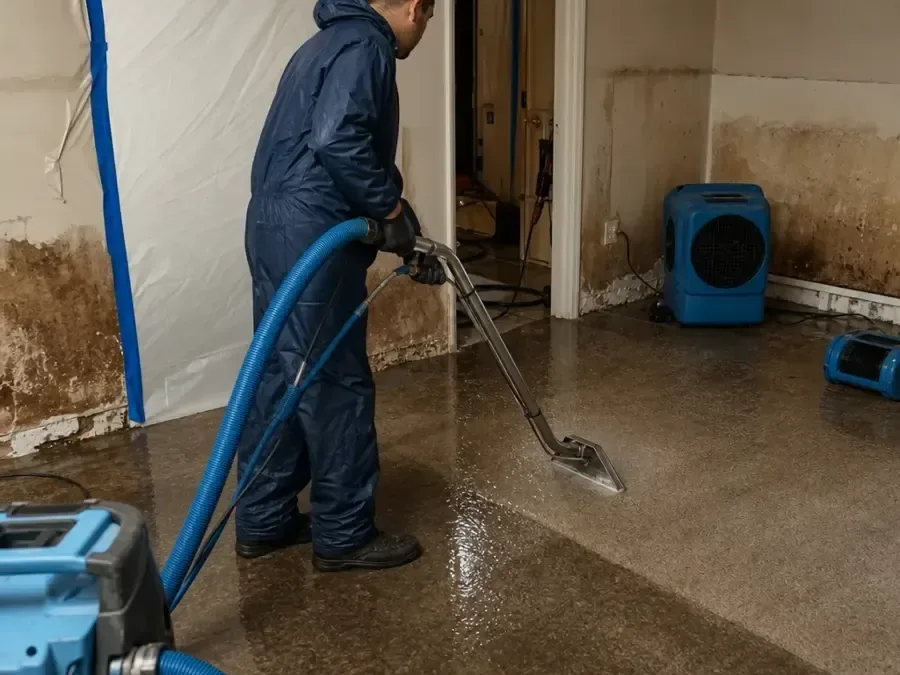
Equipment and drying standards
Water Damage Restoration Services in Lafayette, CO
Twelve water and sewage services, each with its own page, from the first pump-out in a flooded basement to the last dry reading on the framing. Water and sewage only.
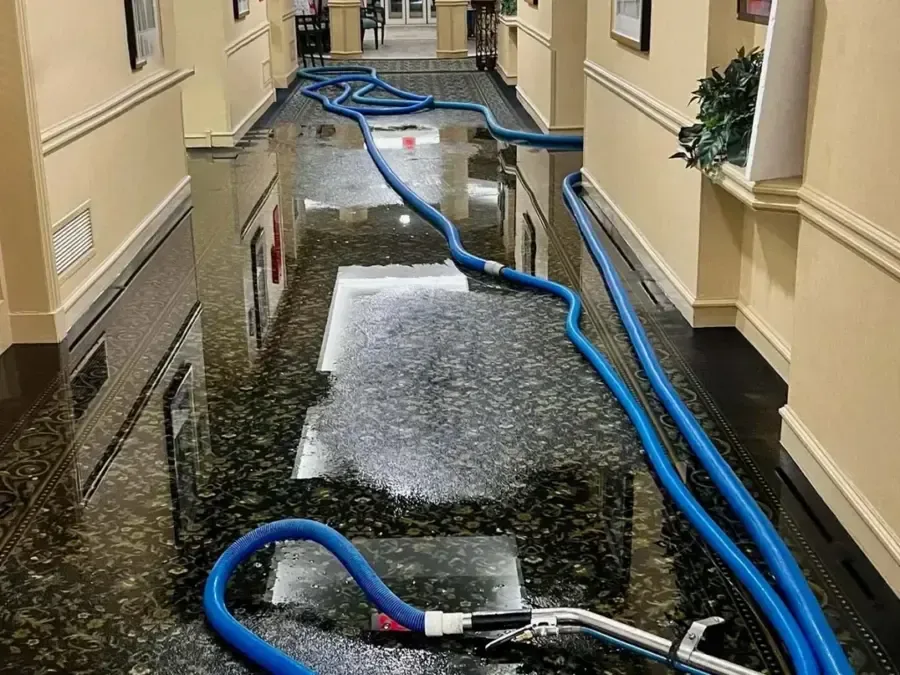
Water Extraction and Removal
Standing water pulled off floors and out of carpet with truck-mounted and portable units, fast.
View service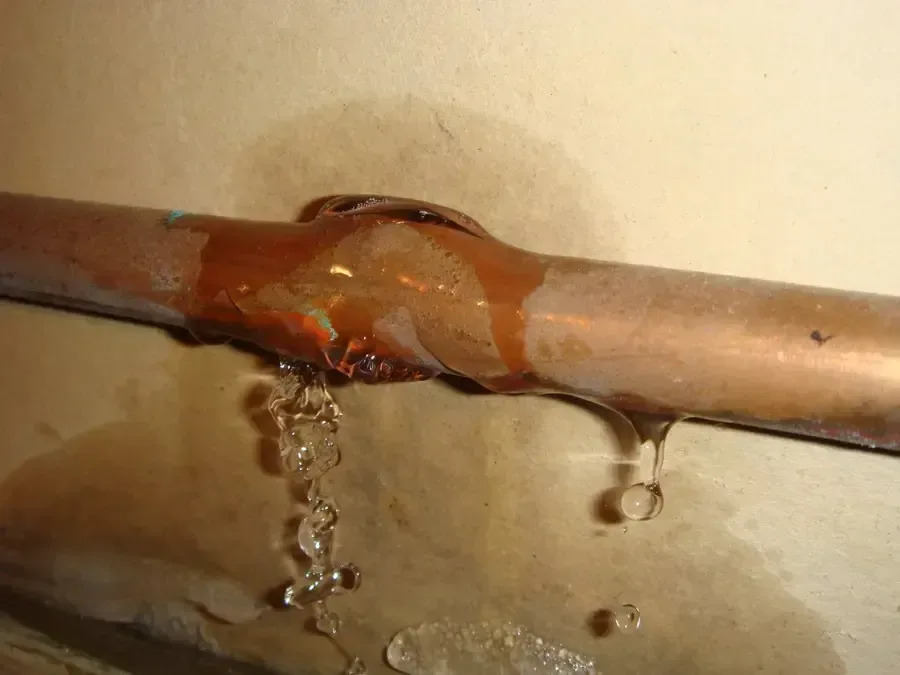
Burst Pipe Water Damage
Split supply pipes in walls and ceilings shut down, the water extracted and every cavity dried.
View service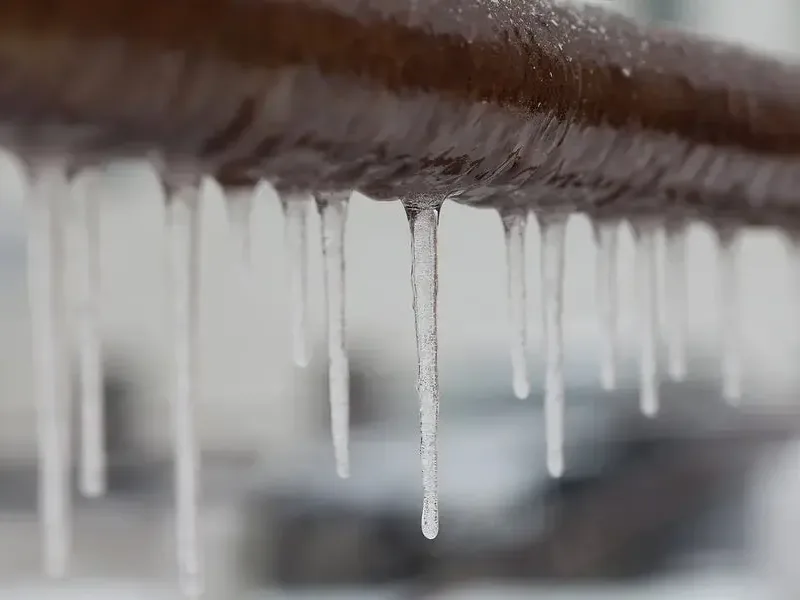
Frozen Pipe Water Damage
Pipes that froze in exterior walls, garages or rim joists, dried out once the thaw leak stops.
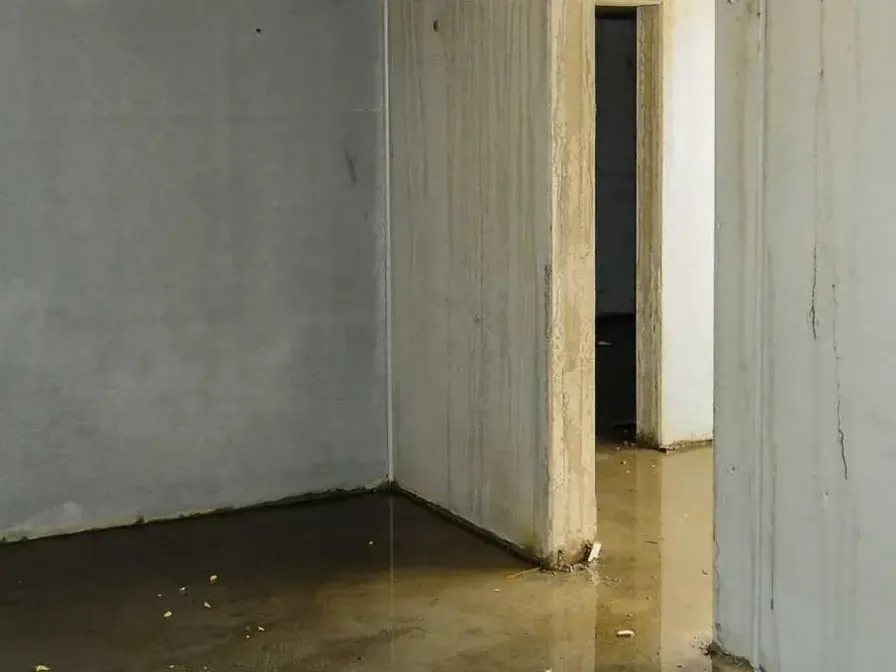
Basement Flooding Cleanup
Finished and unfinished basements pumped out, carpet and wall bottoms handled, the slab dried down.
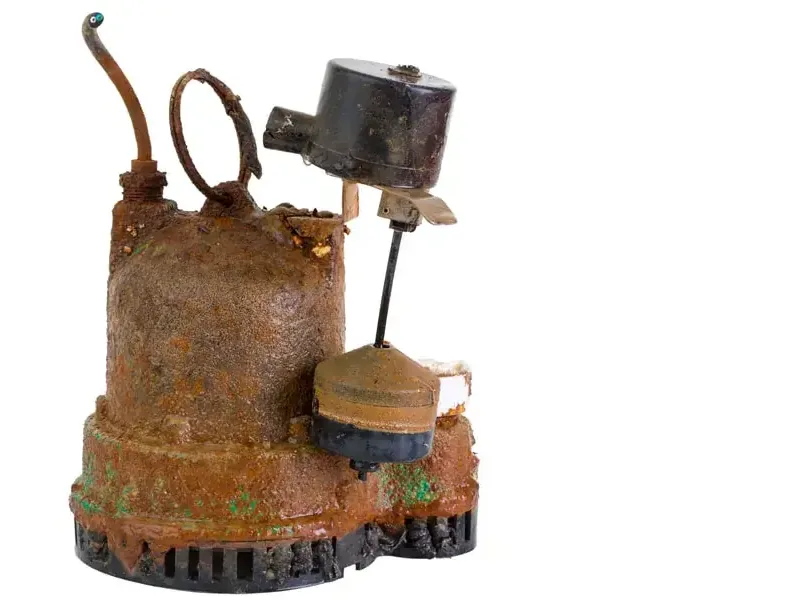
Sump Pump Failure Cleanup
Overflowing sump pits from a dead pump, stuck float or power cut, cleaned up and dried.
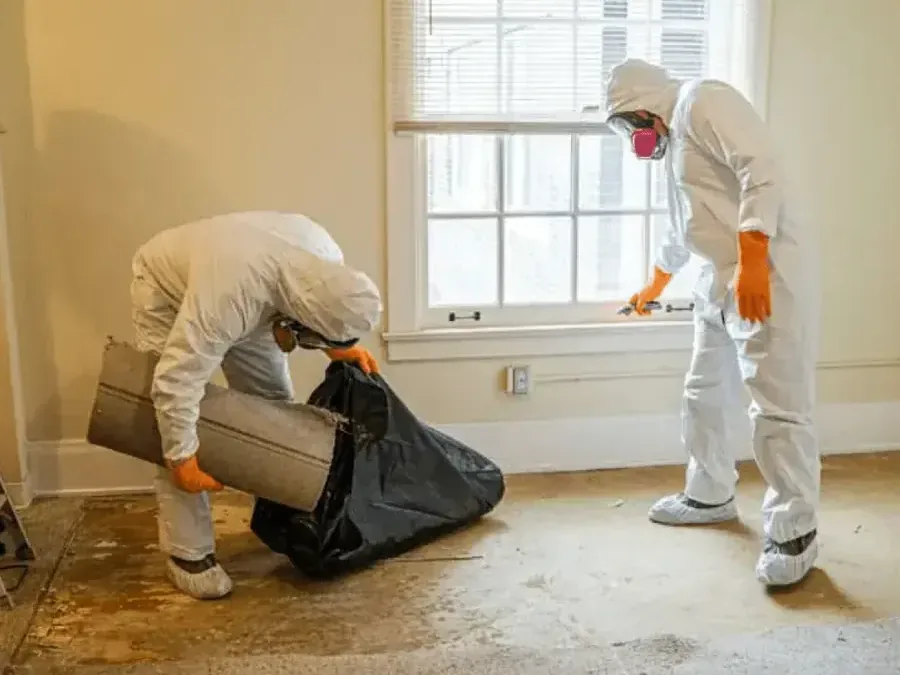
Sewage Backup Cleanup
Floor drain and toilet backups treated as Category 3, with porous materials removed and surfaces disinfected.
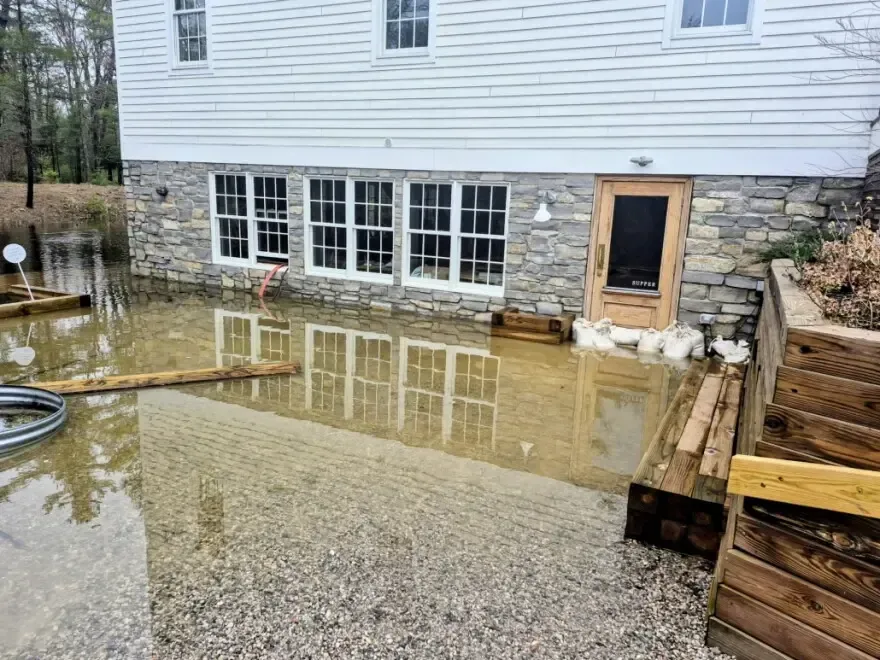
Storm Water and Flash Flood Cleanup
Thunderstorm runoff and fast snowmelt that got inside, extracted and dried as contaminated water.
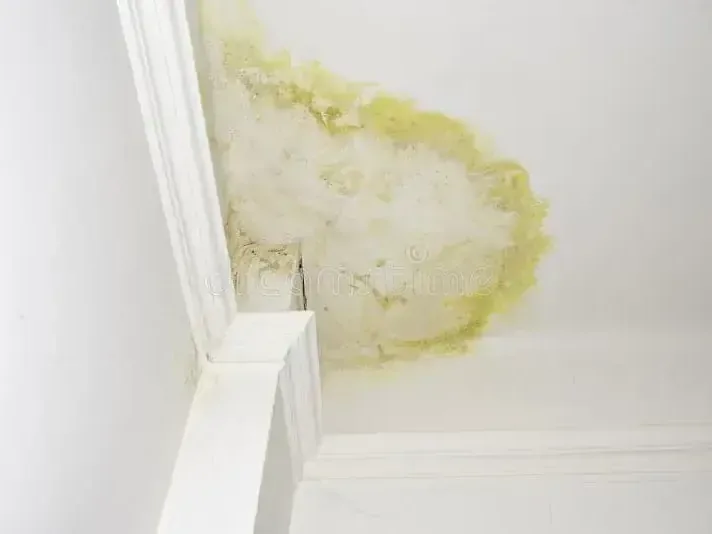
Roof Leak Water Damage
Hail-damaged shingles, ice dams and failed flashing traced, wet attic insulation pulled, ceilings dried.
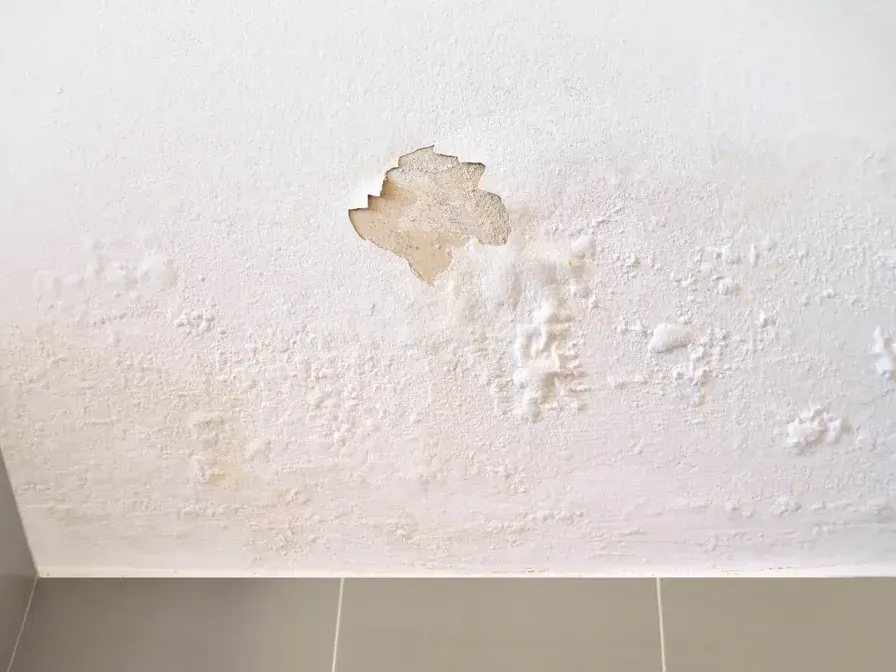
Ceiling Leak Water Damage
Leaks from an upstairs bath or drain traced, drywall opened safely and joist bays dried.
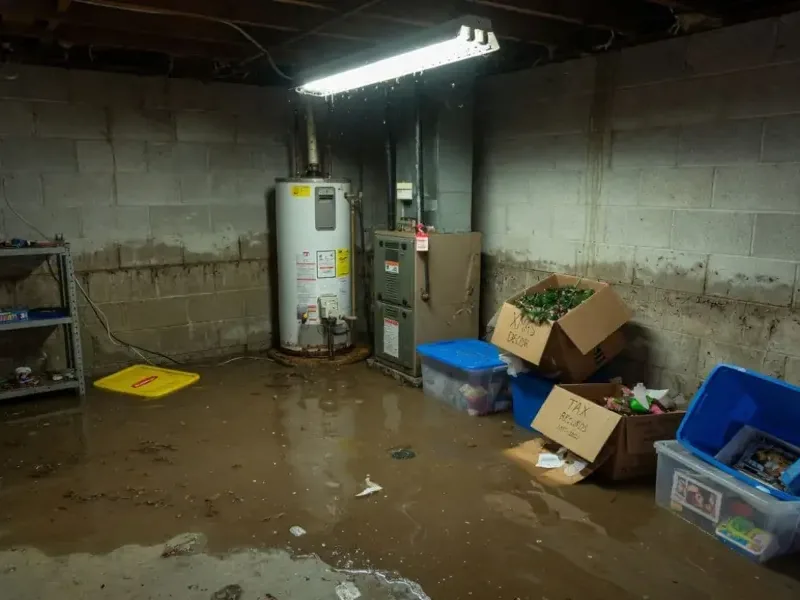
Water Heater Leak Cleanup
Failed tanks in basements, closets and garages extracted before the water reaches carpet and storage.
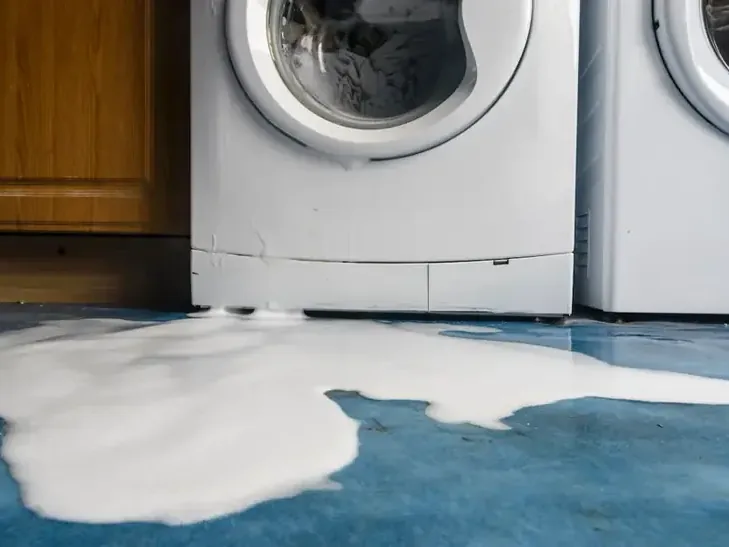
Appliance and Supply Hose Leaks
Washer hoses, dishwashers, ice makers and toilet supplies dried out of floors and cabinets.
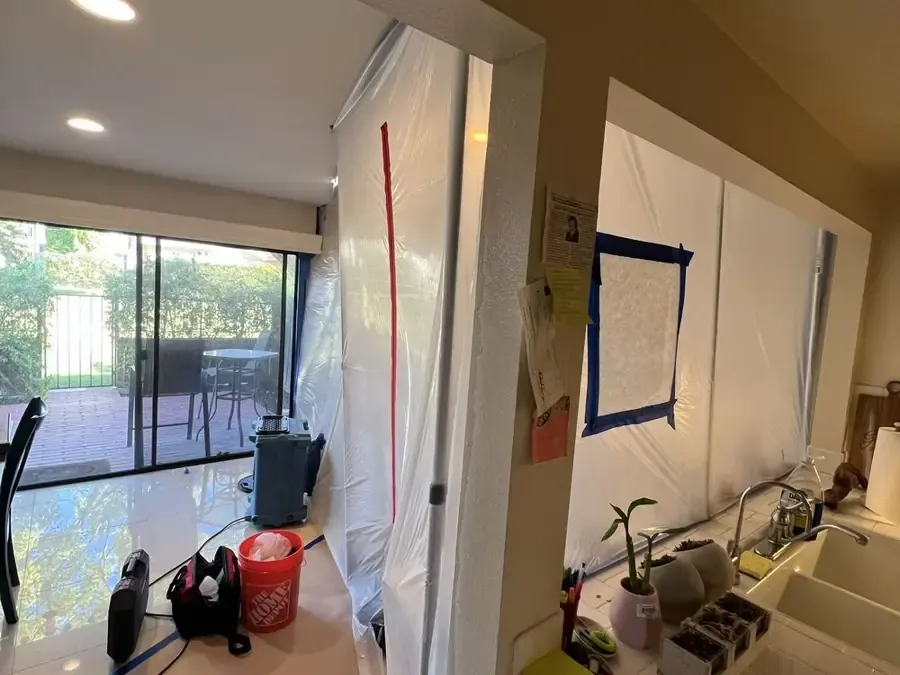
Structural Drying and Dehumidification
Framing, subfloor, drywall and concrete dried to within 2 to 4 points of a dry reference.
Water risks that shape the first response
Hard winter freezes
City and regional guidance warns that pipes in exterior walls, garages, attics, crawl spaces and cabinets can freeze, then leak as the ice thaws.
Old Town housing
Old Town Lafayette includes older residential buildings near South Public Road, where a leak can move through wall cavities, floors and ceiling assemblies before it appears.
How a water loss is handled, start to finish
One restoration team carries each Lafayette job from the first pump-out to the final dry reading, with every step written into the claim file.
Dispatch and walkthrough
Dispatch sends a crew at any hour, and the tech who does the walkthrough finds the source, checks for electrical hazards and sets the water category.
Moisture mapping
Pinless meters and thermal imaging trace water under flooring and inside walls, so the drying plan covers everything that is actually wet.
Extraction and drying
Truck-mounted units pull the standing water first, then air movers and LGR dehumidifiers are sized to the class of loss and the room volume.
Daily readings to dry
The drying team logs readings every day and adjusts the equipment, and nothing leaves until materials match a dry reference.
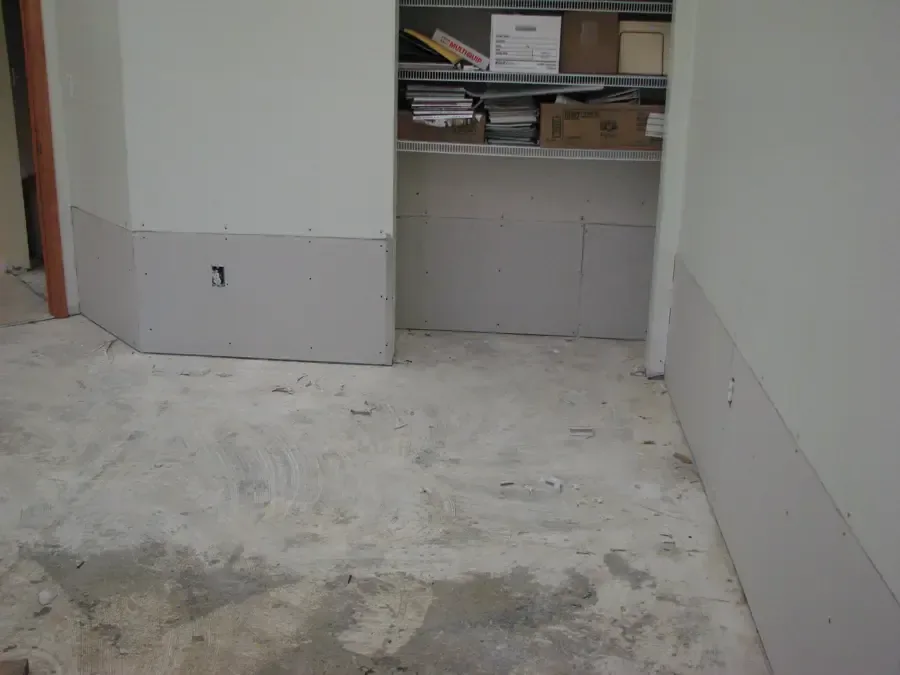
How a water loss is handled
Rapid local response
Active water is treated as urgent through 24/7 dispatch.
IICRC S500 drying standard
Moisture mapping sets the equipment plan and the dry goal.
Claim-ready documentation
Daily readings, photos and the category and class build the file.
Lafayette water experts
Local conditions shape extraction, access and structural drying.
What does water damage restoration cost in Lafayette, CO?
Most jobs here run $1,200 to $7,500, and sewage or a whole flooded level can reach $7,500 to $20,000. The water category, square footage, material class and how fast drying started move the number most.
Small leak
- One room or a short supply pipe leak
- Extraction plus three to four days of drying
- Clean Category 1 water
Basement or several rooms
- A finished basement or two to four rooms
- Carpet pad, baseboards and wall bottoms removed
- Clean or gray water
Sewage or a whole level
- A sewer backup or storm water inside
- Containment, protective gear and porous materials removed
- Category 3 black water
Documentation for your insurance claim
A water claim is decided on the file. The restoration team builds it from day one, so the adjuster sees what was wet, how wet it was and for how long.
- A moisture map of every wet room
- Daily psychrometric drying logs
- Timestamped photos before any demolition
- The category and class of the loss
- A line-item scope of the work
Sudden and accidental water, like a burst pipe, is often treated differently from outside flooding or a sewer backup, which may need flood coverage or a separate rider. Coverage depends on your policy, so it is worth checking with your own insurer before work is approved.
Ranges are typical, not a quote, and they cover mitigation only. The water damage cost calculator gives a closer range for your own rooms, and the walkthrough sets the real scope.
All water damage categories covered in Lafayette, CO
Clean water
Category 1 comes from a supply source: a burst or frozen pipe, a water heater or an ice maker hookup. Caught early, most of it dries in place.
Gray water
Category 2 carries contaminants: a washer discharge, a dishwasher or a sump pit that overflowed. The carpet pad usually comes out and surfaces get an antimicrobial.
Black water
Category 3 is sewage or storm runoff from outside. Porous materials it touched get removed, not dried, and the crew works in protective gear.
What a water damage dry-out looks like in Lafayette
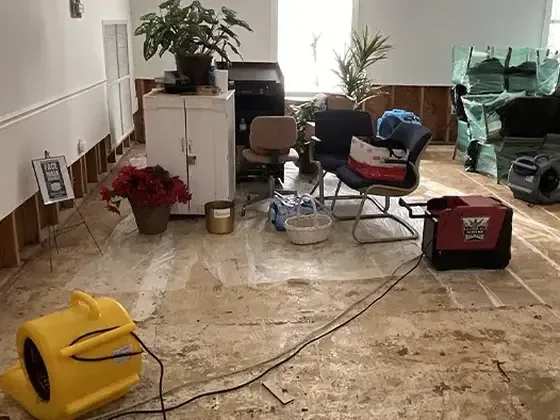
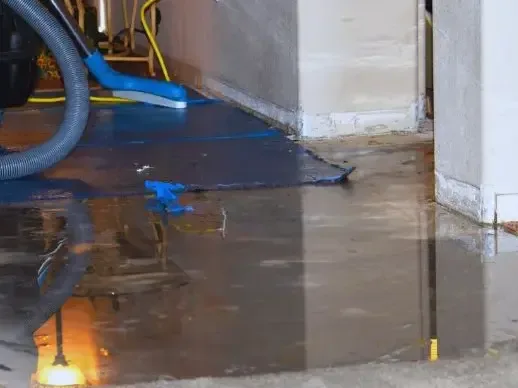
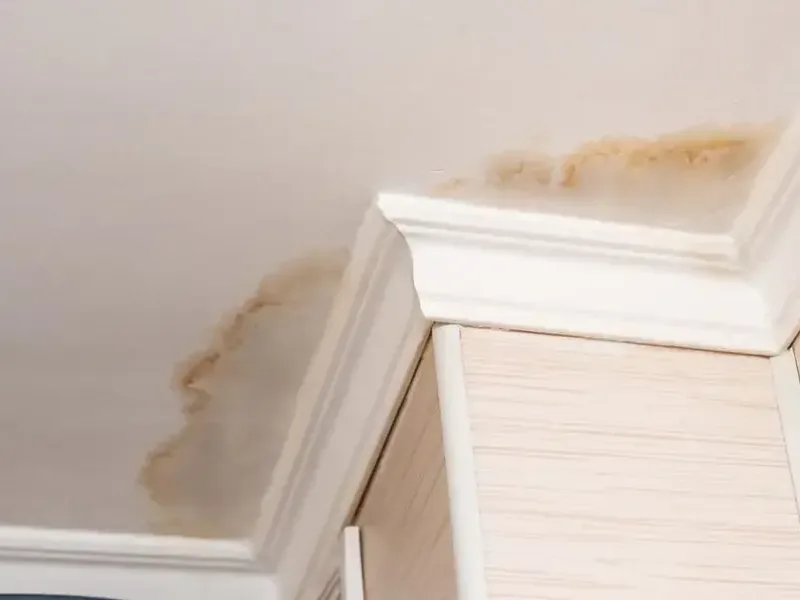
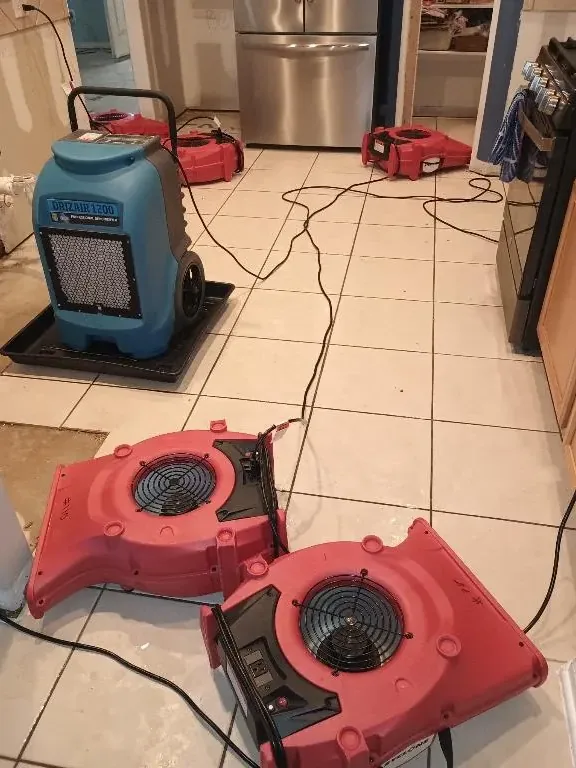
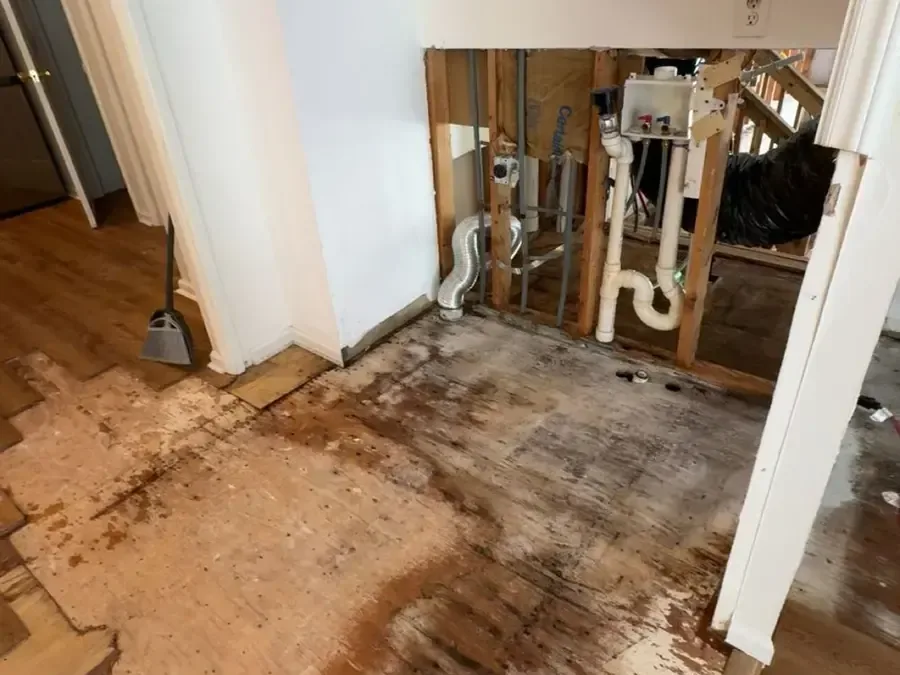
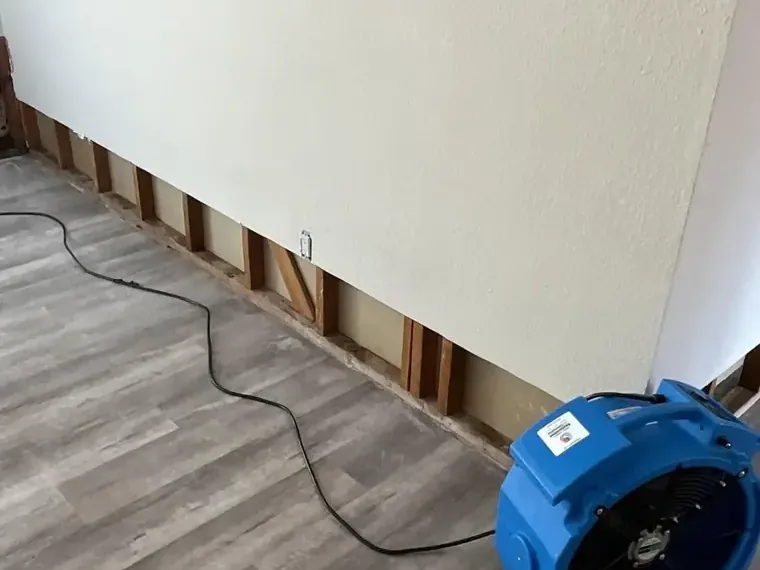
Water damage dried to the IICRC S500 standard
Rapid local response, 24/7
Dispatch runs around the clock across Lafayette and nearby Boulder County, and active water is treated as urgent at any hour.
Dried to a reading, not a guess
Crews map moisture first, then run truck-mounted extraction, air movers and LGR dehumidifiers, with meters and thermal imaging checking progress every day.
Lafayette water know-how
Frozen pipes in exterior walls, appliance failures, roof entry and storm runoff each need a different extraction and drying plan.
The gear a real dry-out runs on
Equipment stays until the framing, subfloor and basement slab read within 2 to 4 points of a dry reference, and each day's numbers go into the claim file.
What to do while the water is still moving
- Stop the source. Close the main shutoff, usually where the water service enters the basement or a utility room, and turn off the supply to a leaking water heater.
- Keep clear of power. Stay out of standing water near outlets, the furnace or the electrical panel, and only flip a breaker if it is dry to reach.
- Photograph everything. Take photos and video of every wet room before anything moves; they become the first page of the claim file.
- Lift what you can. Move rugs, boxes and furniture off wet carpet, and slip foil under furniture legs so stains do not set.
- Leave the walls alone. Do not tear out drywall or run a shop fan over sewage; the moisture map decides what stays and what comes out.
From Old Town to Waneka Lake, all of Lafayette
Dispatch covers every neighborhood here and the suburbs next door, day or night, with rapid local response.
ZIP code
Outside that ZIP? Call anyway: coverage reaches every neighborhood in the city and the suburbs around it.
Find us on GoogleCentral and west
North and east
Nearby communities
One call reaches Lafayette water damage pros, 24/7
The response team starts with the source, safety and the rooms already wet, then sets the extraction and drying plan.
(888) 532-8620Describe where the water reachedWater damage in Lafayette, CO: the local risk profile
Lafayette grew from an 1888 town founded by Mary E. Miller into a Front Range city of 30,411 residents at the 2020 census. Winter freezes, fast thaw cycles, roof entry and indoor plumbing failures each create a different drying problem.
Waneka Lake and runoff
Waneka Lake is a city-owned reservoir, and stormwater around low entries still requires source control, category assessment and measured drying.
Roof and ceiling paths
Snow, hail and wind-driven rain can expose roof and flashing failures, while an upstairs fixture can wet the same ceiling from inside.
Coal Creek drainage
Coal Creek is part of the local drainage landscape, so outside water is treated as contaminated when storm runoff crosses soil or pavement before entering.
Mixed housing and commercial space
Detached homes, apartments, shops and offices around Old Town, Indian Peaks and South Boulder Road need different access and equipment plans.
Lafayette water damage questions, answered
How fast can help get to a flooded basement in Lafayette?
Dispatch runs 24/7 and treats active water as urgent at any hour. Arrival depends on traffic and the time of day, and the response team confirms timing when you call. Shutting off the water before help arrives limits the damage.
What should happen first when a pipe bursts?
Close the main shutoff, keep clear of wet outlets and the panel, and take photos. The extraction crew pulls standing water first, then the drying team maps moisture inside walls and floors. Drying should start within 24 to 48 hours, before mold can take hold.
Why do frozen pipes leak after the cold snap ends?
Ice can plug a split while the pipe is frozen. When it thaws, water runs through the crack at full pressure, often inside a wall or ceiling where nobody sees it for hours. See frozen pipe water damage for what happens next.
Does homeowners insurance cover a flooded basement?
It depends on the source. A burst pipe or failed water heater is often treated as sudden and accidental, while a sump overflow or sewer backup may need a separate rider, and outside flooding needs flood coverage. Check with your own insurer.
What does the IICRC S500 standard mean?
S500 is the industry standard for water damage restoration. It covers how water is categorized, how drying equipment is sized and how crews prove a structure is dry with moisture readings instead of a touch test.
How long does drying take?
A contained clean-water loss often dries in three to five days. A finished basement with carpet, a concrete slab or hardwood takes longer, and the drying time estimator shows a typical window for your rooms.
When does drywall have to come out?
Drywall that wicked water high, touched gray or black water, or stayed wet for days usually comes out. Drywall wet briefly with clean water can often be dried in place with the cavity vented.
Why is sewage handled differently?
Sewage is Category 3 from the moment it backs up. Porous materials it touched are removed, surfaces get an EPA-registered antimicrobial, and the crew works in protective gear with containment. A basement floor drain is the usual entry point.
How is the cost figured?
Cost follows the water category, the square footage, the materials that got wet and how long the water sat. A moisture map sets the scope, and the cost calculator gives a typical range first.
What is the difference between mitigation and repair?
Mitigation stops the damage: extraction, removal of what cannot be saved and structural drying. Repair rebuilds what was removed, such as drywall, flooring and trim. Mitigation starts right away, and repairs follow once the readings say dry.
Water in the house right now?
Shut off the main if it is safe and keep clear of wet outlets. Dispatch runs around the clock, holidays included.
(888) 532-8620Get a crew rolling nowWet basement or split pipe in Lafayette? Start the dry-out tonight
Every hour water sits, it climbs the drywall and soaks deeper into the slab. Dispatch runs 24/7 across Boulder County.
(888) 532-8620Stop it before it climbs the walls